The DEI4SME team at the University of Vaasa (UVA) has developed and piloted an innovative educational initiative that is redefining how students learn about social sustainability, strategy, and leadership. In this new business simulation, students take the role of decision-makers navigating the complex realities of social sustainability within small and medium-sized enterprises (SMEs). By combining a purpose-built digital tool (tool.dei4sme.eu) with immersive, practice-based learning, the UVA team designed and piloted this learning path that equips students with the skills needed to integrate social sustainability into real business contexts.
The learning path was piloted across three degree programs: Master’s in Strategic Business Development, International Business, and Bachelor’s in International Business. The piloted course attracted 56 students, of whom 34 successfully completed the full simulation. Through this experience, participants earned academic credits and developed concrete competencies in sustainability management and reporting, receiving certificates recognizing their achievement.
The Role of Simulation in Modern Learning of Business Challenges
 Business simulations have long been recognized as a powerful pedagogical approach, allowing students to move beyond theoretical understanding into active engagement. Instead of studying cases retrospectively, learners become decision-makers, confronting uncertainty, defending strategies, and evaluating trade-offs in real time.
“When developing this simulation, we combined a digital work environment and challenges in business that students experience as real. Social sustainability is often seen as abstract, but through this simulation, students had to make concrete decisions, justify them, and see how they connect to strategy, reporting, and business growth.” – says Aušrinė Šilenskytė, Assistant Professor of International Strategic Management, who is leading the DEI4SME project.
In the context of sustainability, the simulation-based approach for teaching is particularly valuable. Social sustainability encompasses complex and sometimes intangible issues such as diversity, equity, inclusion, employee well-being, and accessibility. Embedding these considerations into business strategy requires not only knowledge but also judgment, reflection, and the ability to balance competing business goals. The course piloted at the University of Vaasa addresses this challenge by transforming students from passive learners into active participants who must grapple with these realities firsthand.
Learning Through Managerial Practice
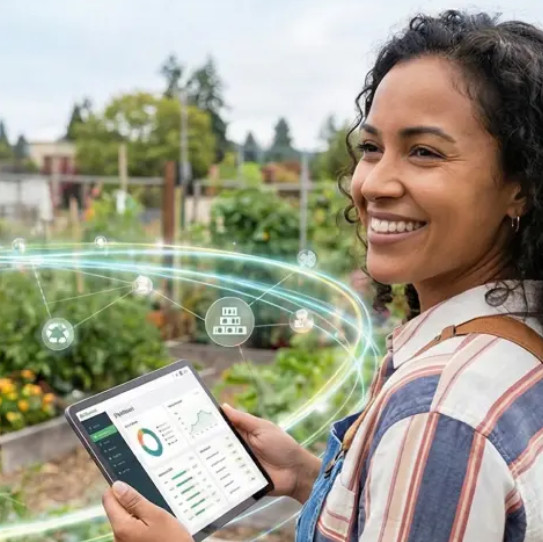 Students began the piloted business simulation by selecting or designing a company that fits the SME context, analyzing its operations and identifying realistic sustainability challenges. Some students chose to complete all the required tasks for their employer firm.
As the simulation progressed, learners assessed the company’s business practices across key areas, such as daily work, human resource management, compliance, and strategic management; they developed targeted improvement plans and explored how social sustainability could be integrated into broader business strategy and daily work.
A defining feature of the experience was the simulated business meeting, where students rotated roles as CEOs, board members, investors, or customers. In these sessions, they presented action plans, defended their decisions, and responded to critical questioning from peers. This exercise highlighted how sustainability strategies were shaped through dialogue, negotiation, and informed compromise.
The simulation culminated in the preparation of formal social sustainability reports for the case SMEs, as well as individual reflections on long-term strategic transformation. Students also assessed their inclusion competencies, linking personal leadership development with organizational outcomes. Through this process, the developed learning path connected individual mindset, managerial practice, and institutional responsibility.
“Managing a simulation of this scale—with team meetings, rotating roles, and multiple deliverables—was ambitious. But the engagement we saw from students was exceptional. They took ownership of their roles, challenged each other’s ideas, and truly immersed themselves in the learning process.” – says Tiphaine Delecour, DEI4SME project coordinator who led the implementation of the course.
The outcomes of the course extend beyond academic achievement. Students developed the ability to integrate social sustainability into business decision-making, prepare structured reports, and approach management challenges with an inclusive mindset. These competencies are increasingly essential as businesses face growing expectations from regulators, stakeholders, and society at large.
The course also provided tangible recognition of these achievements. Students who successfully completed all assignments received study credits and certificates acknowledging their expertise in social sustainability management and reporting. Equally important, they left the course with a portfolio of work demonstrating their ability to apply sustainability principles in realistic business scenarios, even in the context of resource-constrained smaller firms.
A Broader Vision for SMEs and Social Sustainability
As sustainability becomes an integral part of business success, initiatives like this simulation ensure that the next generation of leaders is ready not only to respond to these challenges but also to shape a more inclusive and responsible future.
The materials developed for this simulation will be further revised, incorporating experiences from this pilot, and will be made available for everyone as a project outcome in the coming months.
The simulation is part of the wider DEI4SME project, which aims to support SMEs in embedding social sustainability into their operations and growth strategies. The digital tool used in the course enables companies to manage and report their activities efficiently while aligning with VSME requirements and broader regulatory expectations.
Developed through extensive research, including surveys and focus groups across multiple European countries, the tool reflects the practical needs and constraints of SMEs. It provides resources for learning, planning, reporting, and competency development, making it both an educational instrument and a practical solution for businesses: www.tool.dei4sme.eu/en
The improvement of this digital tool further continues during the summer, integrating the extensive testing results. The final version of the digital tool will be available for everyone to use at the end of August 2026. Therefore, educators can already start planning the integration of this tool and the related business simulation for their teaching in the upcoming semester.
For more information about the project and opportunities to engage: